




Country Chrysler Dodge Jeep RAM Oxford – Brake Repair and Rotor Replacement Near West Grove, PA — What Local Drivers Should Know
Brakes are the most important safety system on your vehicle, and the hills, farm lanes, and school zones around West Grove demand confident stopping every day. If you feel a pulse through the pedal on the US-1 ramp, hear squeals rolling up Evergreen Street, or notice a longer stopping distance near Harmony Road, it’s time to get expert eyes on the system. In this guide, we’ll help you recognize symptoms, understand what a professional brake service includes, and decide when rotors should be resurfaced or replaced—so you know exactly what to ask for when you book an appointment.
Brake symptoms West Grove drivers should not ignore
- Squeal or chirp at low speeds: Pads may be worn to their indicator or glazed from heat.
- Grinding when stopping: Friction material could be gone—continued driving risks rotor damage.
- Steering wheel shake on braking: Often rotor thickness variation or pad deposits causing vibration.
- Soft or spongy pedal: Possible fluid boil, moisture, or an internal hydraulic concern.
- Vehicle pulls to one side: A sticking caliper, collapsed hose, or uneven pad wear needs attention.
- Warning lights: ABS or brake indicators call for prompt diagnostics before the issue worsens.
Any one of these can lengthen stopping distances. The sooner you address them, the more likely you’ll save the rotors and avoid bigger repairs.
What a professional brake service includes
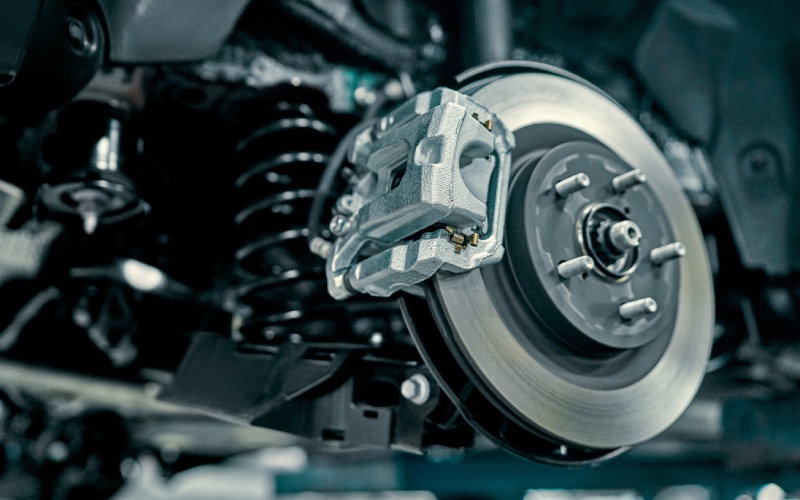
A thorough brake service goes beyond swapping pads. A trained technician measures rotor and drum thickness, confirms pad material and shape, inspects caliper slide pins and piston boots, checks hoses for internal collapse, and evaluates hardware like abutment clips and shims. Proper cleaning and lubrication at the right contact points prevent squeaks and ensure even pad wear. If rotors are within spec, a non-directional finish can restore a fresh surface for the new pads to bed-in correctly; otherwise, rotor replacement is recommended. The tech then bleeds or flushes brake fluid as needed, torques wheels to spec, and completes a road test to verify pedal feel, straight tracking, and quiet operation.
If you tow a small trailer, commute on Route 796, or navigate dirt and gravel to job sites, be sure to mention it—your technician can suggest pad compounds and rotor options suited for heat management and durability in local conditions.
Rotors: resurface or replace?
Rotors have a minimum thickness stamped on the hat. If a measurement is at or below that limit, replacement is the safe move—resurfacing would reduce heat capacity and risk fade or cracking. Even when thickness is within spec, deep scoring, hard spots from extreme heat, or significant runout may push you toward replacements for a smoother, quieter result. On many modern vehicles with thinner, lighter rotors, replacing often delivers better long-term braking consistency than machining. Matching high-quality pads to fresh rotors helps your new setup bed in quickly and resist noise.
If you’ve felt vibration after a highway stop near the West Grove exit, ask your advisor to check for rotor thickness variation and verify hub cleanliness—rust scale between the hub and rotor can mimic warp and return if not cleaned thoroughly.
Brake fluid, calipers, and EV/diesel notes
Brake fluid is hygroscopic; it absorbs moisture over time. Water lowers the boiling point and can corrode internal components. A fluid test or periodic flush restores performance and protects calipers, ABS valves, and master cylinders. For diesel trucks that tow or carry payload, consider heavy-duty pads and slotted rotors to manage heat on long grades. EV drivers should note: regenerative braking reduces pad wear in town, but pads and rotors can rust if they seldom see friction use; periodic friction stops and proper pad bedding help keep surfaces clean and quiet.
If you’ve upgraded to larger tires or a mild lift, braking loads increase. Mention modifications so your technician can evaluate pad selection and confirm proper brake hose routing and length.
What to expect when you book
Expect an inspection that measures pad and rotor thickness at multiple points, checks caliper action, and verifies even wear across an axle. A road test captures real-world pedal feel and noise. You’ll receive clear results and recommendations prioritized by safety first, then preventative needs. Our team uses factory-approved methods, torques wheels with calibrated tools, and beds in pads with controlled stops so you leave with confident, quiet braking.
Convenience matters, too. The shop on Baltimore Pike in Oxford, PA is about 10 minutes from West Grove via US-1, with Saturday availability and a local shuttle to keep your errands on track.
Frequently Asked Questions:
How often should I replace brake pads?
It depends on driving and terrain. Many drivers see 25,000 to 60,000 miles; towing, hills, and stop-and-go reduce pad life. We measure remaining thickness and show you the numbers.
Do I need new rotors every time?
Not always. If rotors are within thickness and runout specs and can accept a fresh finish, resurfacing may be fine. If they’re thin, heat-spotted, or deeply scored, replacement is best.
Why do my brakes squeal after a recent service?
New pads can squeal if bedding wasn’t completed, hardware wasn’t serviced, or rotors weren’t properly prepared. A quick re-bed or hardware adjustment often solves it.
Can you service all makes and models, including trucks and EVs?
Yes. We service everything from compact cars to diesel pickups and electric vehicles, tailoring pad compounds and procedures to your vehicle and use.
Country Chrysler Dodge Jeep RAM Oxford provides certified technicians, Mopar-quality parts for CDJR models, and proven aftermarket options for other brands—delivering safe, quiet, consistent stops you can feel on every West Grove drive.
Request more information
Connect with us


- CDJR Dealer
- Chrysler Dealer
- Chrysler Dodge Jeep RAM Service
- Chrysler Pacifica
- Chrysler Voyager
- Dodge Charger
- Dodge Dealer
- Dodge Durango
- Jeep Cherokee
- Jeep Compass
- Jeep Dealer
- Jeep Grand Cherokee
- Jeep Grand Wagoneer
- Jeep Wrangler
- RAM 1500
- RAM 2500
- RAM 3500
- RAM Dealer
- RAM ProMaster
- RAM Service
- Uncategorized