




Country Jeep Oxford – Active Drive I 4×4 Confidence in the 2026 Jeep Cherokee for Newark, DE Drivers
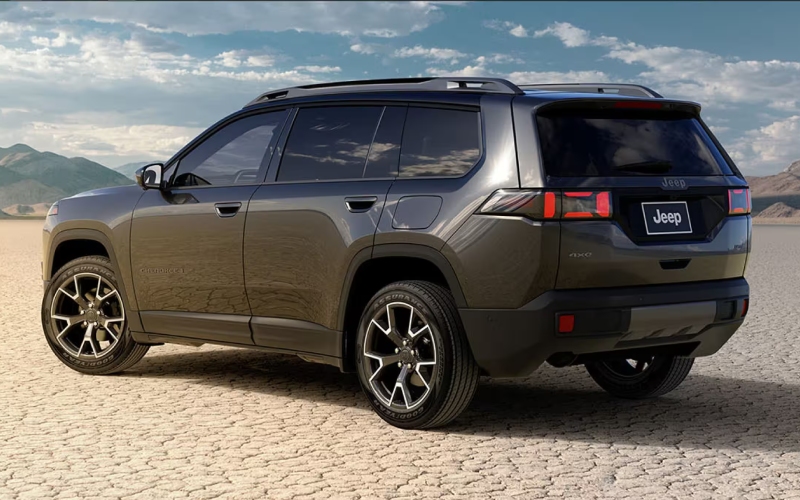
The 2026 Jeep® Cherokee Turbo Hybrid brings standard 4×4 strength to every trim, making it a compelling choice for Newark, DE drivers who navigate city streets during the week and chase gravel lanes or state-park trailheads on the weekend. Central to that composure is the Jeep Active Drive I 4×4 System—engineered to deliver traction when you need it and efficiency when you do not. Because the Cherokee pairs its capable suspension with a compact, smartly calibrated hybrid powertrain, the SUV steps off cleanly from traffic lights on East Main Street, merges confidently onto DE-273, and remains poised when the pavement turns to packed dirt along the edges of White Clay Creek.
If you are curious about how it works in day-to-day life, think of Active Drive I as always-on confidence. The system constantly monitors wheel slip and road surface conditions, then channels power to the wheels with the most grip. On dry roads, you will feel stable, predictable handling—ideal for tight parking lots near the university or quick lane changes when a ramp shortens unexpectedly. When rain pools or the shoulder gets loamy, the system reacts in the background so the cabin remains composed and unruffled. It is that blend—calm on the commute, ready when the road throws a curve—that makes the Cherokee stand out in this class.
Why standard 4×4 matters on an urban-suburban schedule
Many crossovers make all-wheel traction an optional add-on. The 2026 Jeep® Cherokee equips every trim with Active Drive I from the start, so you do not have to guess whether your configuration is the “right” one when the forecast changes or a detour takes you onto a muddy lot at a weekend event. With hybrid assistance providing readily available torque and the system’s quick responses at each corner, you gain a confident, planted feel at Newark roundabouts and a surer step when turning onto unpaved driveways.
That standardization also simplifies shopping. Because every model starts with the same core traction capability, you can pick your trim based on the features you want—like the large 12.3-inch Uconnect® touchscreen, the 10.25-inch Digital Cluster Display, Wireless Apple CarPlay® support and Android Auto™ compatibility, or available upgrades such as a Digital Rearview Mirror and 360° Surround View Camera—without worrying about whether the underpinnings can keep up with your plans.
Capability that scales with your weekend plans
The Cherokee’s balanced chassis and Jeep Brand engineering are built to flex with your life. With an Unsurpassed-in-Class 3,500-pound towing capacity, the SUV is sized right for small campers, a pair of kayaks on a lightweight trailer, or a utility trailer packed with yard projects. Ground clearance, water-fording capability up to 20 inches (when properly equipped), and smart approach and departure angles continue the story—when a rutted lane or washed-out shoulder appears, you can proceed with measured confidence instead of turning back. Active Drive I plays the role of steady teammate, quietly finding grip while you focus on steering and speed.
And because the 2026 model integrates a hybrid system that never needs to be plugged in—regenerative braking does the charging for you—the daily rhythm stays simple. You get familiar gas-station stops, plus electric assistance when pulling away from lights or maneuvering at low speeds, further enhancing the surefooted feel that 4×4 already provides.
Confidence inside the cabin, too
The traction story is only part of what makes the Cherokee so easy to live with around Newark. Step into the cabin and the tech layout instantly feels intuitive. The expansive Uconnect® display keeps navigation, media, and settings legible and within easy reach, while the Digital Cluster Display places real-time information—like safety alerts from systems such as Full-Speed Forward Collision Warning with Active Braking—directly in your line of sight. Wireless device integration reduces cable clutter, and available features like Remote Start and a Foot-Activated Liftgate solve the little frictions that add up over a busy week.
When parallel parking on East Main or backing out of a tight row near a trailhead, available tools like the 360° Surround View Camera and Digital Rearview Mirror deliver crisp perspectives that make low-speed maneuvers more precise. The result is a calm, more informed driving experience whether you are inching into a spot, threading through a construction zone, or merging into a short gap at rush hour.
Who benefits most from Active Drive I 4×4?
In short: just about everyone who values steady composure and predictable responses. If you split time between downtown Newark and nearby parks, standard 4×4 is reassurance you will appreciate. Contractors who occasionally tow light equipment gain useful pulling confidence in a right-sized package. Families benefit from the all-weather traction that makes school drop-offs and after-hours activities feel less stressful. And drivers who simply prefer a planted, connected feel from the driver’s seat will notice the difference every time the pavement ripples or the weather shifts.
- Commuters: Smooth traction transitions for stop-and-go traffic and quick merges.
- Weekend explorers: 4×4 confidence for gravel pull-offs, trailhead parking, and unpaved driveways.
- Light-duty towers: Unsurpassed-in-Class 3,500-pound towing for small trailers and gear.
- Urban navigators: Available 360° Surround View Camera and Digital Rearview Mirror for tight spaces.
Frequently Asked Questions:
Is Active Drive I always engaged?
Active Drive I continuously monitors conditions and distributes power as needed. On dry, stable pavement, it prioritizes efficient cruising; when slip is detected, it seamlessly routes torque to maintain traction.
Does the 2026 Cherokee require charging to use its hybrid assistance?
No. The Turbo Hybrid system uses regenerative braking to recapture energy, so there is no plugging in. You drive and refuel like a traditional SUV while benefiting from electric assist.
What features complement 4×4 for low-speed maneuvers?
Available 360° Surround View Camera and the available Digital Rearview Mirror help with precise parking and reversing, while Adaptive Cruise Control with Stop and Go eases the tedium on crowded routes.
Can the Cherokee tow a small trailer for weekend projects?
Yes. The 2026 Jeep® Cherokee offers an Unsurpassed-in-Class towing capacity of up to 3,500 pounds when properly equipped—great for small utility trailers, yard equipment, or a lightweight camper.
When you are ready to step into the 2026 Jeep® Cherokee, visit a team that understands how you drive. Country Chrysler Dodge Jeep RAM Oxford is serving Newark, Oxford, and Glen Mills with straightforward consultations, easy pre-approval, and test drives tailored to your daily routes and weekend plans. From the moment you settle into the driver’s seat, you will feel how Active Drive I 4×4, smart hybrid assistance, and an intuitive tech suite come together to make every mile smoother, calmer, and more confident.
Request more 2026 Jeep Cherokee information
How does Stow ’n Go Seating work on the 2027 Chrysler Pacifica for Oxford, PA families?
Country Chrysler Oxford – How does Stow ’n Go Seating work on the 2027 Chrysler Pacifica for Oxford, PA families?
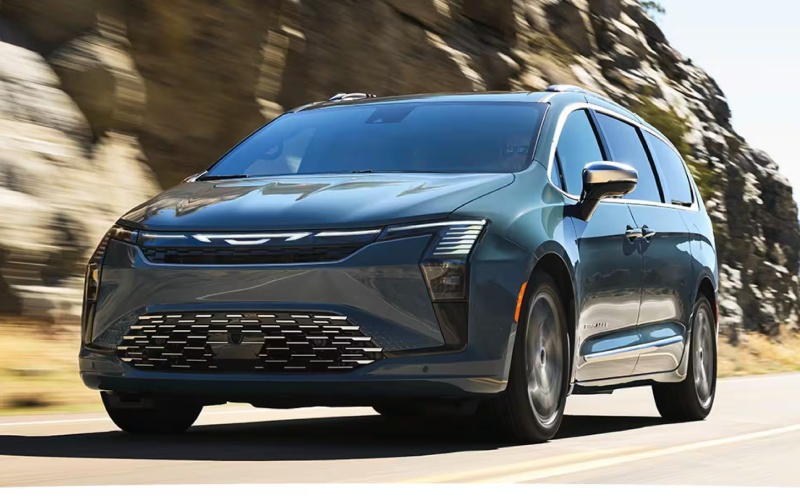
For busy households that juggle school runs, activities, groceries, and the occasional furniture pickup, flexibility is everything. Chrysler’s segment-exclusive Stow ’n Go® Seating and Storage System on the 2027 Pacifica was created to make daily life simpler, with seats that fold into the floor in seconds and underfloor bins that double as hidden storage when the rows are in use.
This guide explains how Stow ’n Go® works, when to use it, and why it is a smart advantage for families around Oxford, PA. We will also connect it with other family-focused tech—like FamCAM™ and the available Theater Group—so you can see how the cabin comes together as an easy place to spend time.
What Stow ’n Go® does differently
Most three-row vehicles require removing seats or wrestling heavy hardware to open up cargo space. Stow ’n Go® eliminates the hassle. Both the second and third rows are engineered to fold flat into the floor. That means you can switch from carrying a full crew to hauling a big project—up to 140.5 cubic feet of room—without removing anything. The underfloor cavities created by this system become secure storage when the seats are upright, keeping clutter out of sight and the cabin tidy.
The beauty is how often you will use it. Think about that last-minute request to bring folding chairs to a game, or those boxes you promised to pick up. With Stow ’n Go®, you just pull, fold, and go.
How to use Stow ’n Go® step by step
Chrysler designed the process to be quick and intuitive. Practice it once and it feels second nature the next time. Here is a simple sequence:
- Open the floor bin and clear it for the seat to fold in
- Use the strap or lever to release the seatback
- Guide the seat into the floor cavity
- Close the bin cover for a flat load surface
- Repeat on the other side as needed
Raising the seats is just as easy. Open the bin, pull the seat up using the built-in handle, and lock it into place. Even if your hands are full, it is a straightforward, low-effort process.
Why underfloor storage matters
Hidden storage can be a game changer. Stash a first-aid kit, reusable shopping bags, tools, an air pump, or winter gloves and hats in those bins so they are ready when you need them but out of the way when you do not. If you rotate sports seasons or hobbies, designate each bin for a category so your essentials stay organized.
And when the seats are stowed, the flat load floor keeps bulky items stable. Whether it is a set of flat-pack shelves, boxes for a move, or a week’s worth of landscaping supplies, the surface and tie-down points make it easier to secure your cargo.
Cabin tech that complements Stow ’n Go®
Flexibility is only part of the story. The 2027 Pacifica backs it up with intuitive cabin tech. The Uconnect® 5 system with a 10.1-inch touchscreen puts entertainment, apps, and available navigation within easy reach. The available FamCAM™ Interior Camera lets you check the second and third rows on the center screen—ideal when you want to confirm everyone is buckled before you head out.
If you take regular trips, the available Theater Group with dual rear-seat 10-inch HD touchscreens and Amazon Fire TV built-in keeps passengers engaged. Each screen can display something different, so one person can watch a show while another follows a game or explores apps. The result is a calmer cabin and a smoother drive.
Safety-wise, Turn Signal-Activated Blind Spot View and ParkSense® Based Camera Activation are available to give you clearer awareness at the exact moments you need it. When you signal a lane change, the corresponding exterior mirror camera feed appears on the main screen. If ParkSense® detects something near the vehicle, the system can automatically activate your camera view so you can see what is in the way.
Practical tips from daily life
Think through your week. If you are grabbing home improvement supplies on Saturday, stow a second-row seat before you go so you can load quickly at the store. If you are meeting classmates for carpool on Monday, bring the seat back up and keep backpacks in the underfloor bin so aisles remain clear.
Consider a small organizational kit for the bins—soft pouches or stackable containers that fit neatly—and label them by activity. Your Pacifica will stay clutter-free, and you will avoid that scramble to find a missing water bottle or a phone charger.
Local context for Oxford, PA
Around Oxford, PA, it is common to mix in-town errands with highway hops and weekend day trips. That blend is where the Pacifica’s cabin shines. Stow ’n Go® turns last-minute plans into a non-event, while the available camera and entertainment systems make it easier to handle those busy parking lots and longer stretches with kids in tow. It is a setup designed for real families who carry real gear.
When you are ready to see how everything works together in person, stop by for a hands-on demo. We will show you how Stow ’n Go® feels in your own routine and set up a quick route that mirrors your everyday drive.
Frequently Asked Questions:
How much total cargo space can I unlock using Stow ’n Go®?
With both the second and third rows folded into the floor, you can open up to 140.5 cubic feet of cargo space. That is plenty for flat-pack furniture, landscaping projects, or multiple bikes with room to spare.
Do the underfloor bins still work when the seats are up?
Yes. When seats are upright, those bins serve as concealed storage for everyday items like umbrellas, tools, snacks, or extra layers. It is a simple way to keep the cabin clean and organized.
Can I mix and match seating and cargo on the fly?
Absolutely. You can stow just one seat on either side to create a long load channel for a ladder, boards, or skis while still keeping other seats available for passengers.
What other features make family life easier in the Pacifica?
Uconnect® 5 on the 10.1-inch touchscreen is designed for simple, quick control of entertainment, apps, and available navigation. The available FamCAM™ Interior Camera helps you keep an eye on rear-seat passengers, and the available Theater Group with dual 10-inch HD touchscreens and Amazon Fire TV built-in keeps everyone entertained with separate content on each screen.
We welcome you to try Stow ’n Go® and the rest of the cabin tech in a real-world demo. Our team will help you practice folding the seats, explore the Uconnect® 5 interface, and test rear entertainment in just a few minutes so you can feel the difference in your daily routine.
For local shoppers, we are serving Oxford, Glen Mills, and Bel Air with walkthroughs tailored to your routes and routines. Visit us to see how the Pacifica’s thoughtful features come together for families who are always on the go.
From first look to long-term ownership, you will find friendly guidance and clear explanations when you shop with Country Chrysler Dodge Jeep RAM Oxford. Bring your gear, bring your questions, and get a feel for how easily this minivan adapts to a week that changes by the hour.
Request more 2027 Chrysler Pacifica information
Country Jeep Oxford – Which SUV has better standard traction for Glen Mills, PA commuters — the 2026 Jeep Compass or the 2026 Honda CR-V?
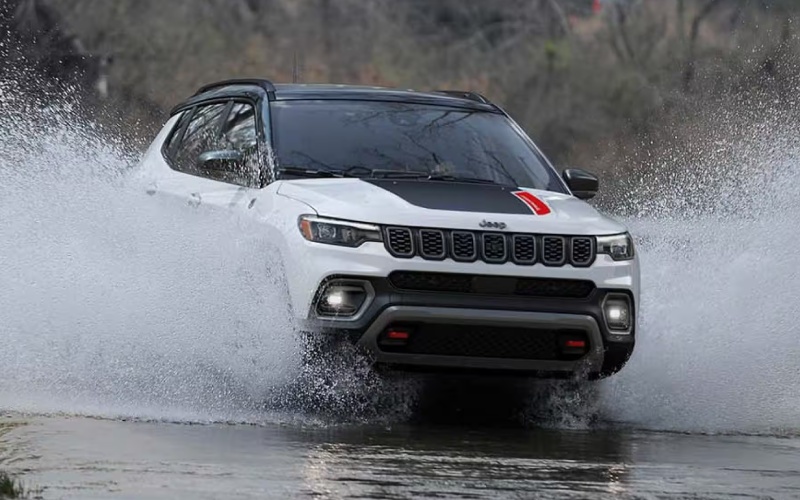
If you commute from neighborhoods around Glen Mills, PA toward West Chester or Oxford, you already know how quickly conditions change—dry one minute, slick back roads the next. That’s why standard traction matters more than spec sheets alone. The 2026 Jeep® Compass delivers Jeep® Active Drive 4×4 on every trim, backed by Selec-Terrain® modes you can set for Snow, Sand, Mud, and, on Trailhawk®, Rock. In practical terms, that means the system is always awake, always ready, and always routing power where it helps most, whether you’re easing up a steep driveway or pulling away from a stop sign on damp leaves.
The 2026 Honda CR-V answers with available Real Time AWD™, a smart, on-demand setup that responds when slip occurs. It’s a capable system for everyday suburban driving. However, because it’s not standard across the lineup, shoppers comparing specific trims can end up juggling packages to match the all-weather confidence that the Compass simply bakes in from the start. And the Compass doubles down with features like Hill Descent Control, a traditional 8-speed automatic for predictable control on grades, and an available wiper de-icer—little details that matter on Pennsylvania mornings.
Understanding the traction tech
Think of the Compass’s Selec-Terrain® as a traction translator. Snow mode optimizes throttle, shift mapping, and torque distribution for slipperier surfaces; Sand and Mud allow more controlled wheel spin for momentum; and Rock Mode on Trailhawk® adds slow-speed finesse. Meanwhile, Jeep® Active Drive Low (Trailhawk®) provides a 20:1 crawl ratio for confident, measured progress on uneven terrain. By contrast, the CR-V’s Real Time AWD™ looks for wheel-speed differences and anticipates slip, sending power to the rear wheels when needed. It’s responsive and simple—ideal for many—but it can’t match the Compass’s added low-range capability or specialized modes for rough paths.
On the ground, tire choice anchors any traction strategy. The Compass Trailhawk® comes standard with Falken® WILDPEAK® All-Terrain Tires that bite into gravel and stay composed on pavement, a boon when you park along unpaved shoulders at preserved open spaces or trailheads near Chester Creek and Octoraro. The CR-V TrailSport includes all-terrain rubber of its own, bringing helpful grip for light trails. Both options improve bite over regular all-season tires, but pairing the Trailhawk® tires with Rock Mode and hill descent control elevates control when trails get rutted or washed out.
How this plays out day to day
Daily life asks for smooth, predictable responses—especially when kids, schedules, and stop-and-go traffic are in the mix. The Compass’s standard 4×4 and 8-speed automatic work quietly in the background, so you can simply drive. Its unsurpassed-in-class standard 2,000-lb towing capacity adds flexibility for a small trailer or weekend chores. The CR-V counters smartly with an available hybrid powertrain rated at up to 204 horsepower and a hushed cabin. It’s an excellent road-trip partner. But when you remove ideal conditions from the equation—say, a muddy parking lot by youth fields or a slushy turn-off near farm stands—the Compass’s traction-first strategy keeps stress levels low.
Inside, both SUVs are well equipped. The Compass offers an available 10.1-inch Uconnect® 5 touchscreen with wireless Apple CarPlay® and Android Auto™, plus an available 10.25-inch Digital Cluster Display. The CR-V provides a 9-inch touchscreen standard on all trims, wireless charging, and Google built-in on top models. Both deliver strong safety suites. The Compass adds available Active Driving Assist and Drowsy Driver Detection, while the CR-V includes Honda Sensing® across the board. Either way, you’re covered with technology that reduces fatigue on Routes 1 and 202.
Quick takeaways
- Compass advantage in standard traction with 4×4 on every trim
- Selectable modes in Compass tailor grip for snow, mud, sand, and rocks
- CR-V AWD is available and responsive, but not standard across the lineup
So which one is the better standard-traction pick for Glen Mills, PA commuters? If you want built-in, no-guesswork control from the very first trim, the Compass wins on readiness—especially when your week mixes borough streets with gravel pull-offs. If you’re focused on a particular CR-V trim with AWD and love its cabin tech, it remains a compelling alternative.
Frequently Asked Questions:
Does the 2026 Jeep Compass include 4×4 on the base trim?
Yes. Every 2026 Compass features standard Jeep® Active Drive 4×4, so you don’t have to add a package for all-weather confidence.
Is the CR-V’s Real Time AWD as capable as a low-range 4×4?
Real Time AWD™ is excellent for quick responses to changing grip, but it doesn’t offer the low-range capability or Rock Mode you get with the Compass Trailhawk® and Jeep® Active Drive Low.
What about technology and comfort?
Both models deliver. The Compass offers an available 10.1-inch Uconnect® 5 system and available 10.25-inch Digital Cluster Display, while the CR-V brings a 9-inch touchscreen standard and Google built-in on top trims.
When you’re ready to try both back to back, visit Country Chrysler Dodge Jeep RAM Oxford—serving Glen Mills, Bel Air, and Quarryville—for routes that mirror your daily drives and staff who know these roads by heart. We’ll help you zero in on the configuration that matches your traction needs and tech preferences.
Request more 2026 Jeep Compass information

Country RAM Oxford – Why the 2026 Ram 1500 Black Express Edition Turns Heads Around Newark, DE
The 2026 Ram 1500 already has a reputation for strength and smarts, but the Black Express Edition adds a bold, unified look that makes the daily grind feel anything but ordinary around Newark, DE. With 20-inch black aluminum wheels, body-color bumpers, a sport performance hood, Mopar® black tubular side steps, and all-black accents, this package creates a confident, purpose-built stance. For drivers who demand both utility and style—pulling a trailer to a jobsite on Friday and heading to White Clay Creek Preserve on Saturday—the Black Express Edition hits the right balance.
Under the sheet metal, you can pair the look with real capability. The 2026 Ram 1500 lineup brings back the famously powerful 5.7L HEMI® V8, and offers the Hurricane Twin-Turbo I-6 and 3.6L Pentastar® V6 as well. With a maximum available 540 horsepower, 521 lb-ft of torque, and up to 11,610 pounds of maximum available towing capacity, the truck backs up its darkened details with the muscle you expect. Even better, the Ram 1500 remains known as the Most Technologically Advanced Ram 1500 Ever, thanks to intuitive trailering aids and a refined cabin anchored by Uconnect® and generous available digital displays.
Design That Works Every Day
Looks aren’t just about looks. The Black Express Edition’s cohesive design makes practical sense for everyday use in and around Newark, DE. Black wheels and accents hide dirt and brake dust well. Mopar® black tubular side steps help you and your crew step in and out quickly with tools in hand. The sport performance hood provides additional visual punch that complements the Ram’s broad shoulders and confident grille design, especially when paired with assertive paint choices.
If you park in busy lots, the streamlined exterior helps minimize visual clutter while preserving the Ram’s muscular proportions. That means your truck stands out without shouting—useful for client meetings, school runs, or a night out on Main Street. Inside, the Ram 1500’s upscale dash design, supportive seating, and quiet ride make every errand feel more composed, whether you’re navigating morning traffic or heading out of town.
Capability You Can Feel
What makes the 2026 Ram 1500 Black Express Edition special is that it’s not a sticker pack—it’s an honest-to-goodness work partner. Choose the engine that matches your day-to-day: the Hurricane Twin-Turbo I-6 for robust torque and confident acceleration; the returning 5.7L HEMI® V8 for classic V8 punch; or the 3.6L Pentastar® V6 for proven reliability. With up to 11,610 pounds of maximum available towing capacity and 2,360 pounds of maximum available payload, the truck is ready for landscaping trailers, small equipment, and weekend boats. Pair those numbers with Ram’s advanced towing tech to simplify hitching, backing, and monitoring your load when tight Newark streets or crowded lots raise the difficulty.
If your routine mixes pavement with unpaved cut-throughs or jobsite approaches, the Ram’s suspension tuning preserves comfort while remaining composed with a load. The Black Express Edition’s step bars are positioned to clear most curbs and work well when boots are muddy—exactly the point for a package that looks sharp yet remains laser-focused on utility.
Tech That Simplifies Everyday Tasks
The 2026 Ram 1500’s reputation for technology isn’t window dressing. Available driver assistance features like Hands-Free Active Driving Assist for supported highways help reduce fatigue on runs to and from neighboring towns. Inside, the expansive available digital displays make it easy to keep maps, towing info, and audio within a glance. Uconnect® delivers smooth smartphone integration, quick voice responses, and a clear layout for navigation and settings—ideal when your morning includes a supply stop, client visit, and a last-minute detour around construction.
Trailering support is where the Ram 1500 really shows its smarts. Systems designed to improve visibility and control help you line up to the ball with less trial and error, confidently back a trailer into tighter quarters, and keep an eye on what’s happening behind you. That’s peace of mind for regular towing and a welcome assist when you only hook up a few times a month.
Who Should Choose the Black Express Edition?
Think of the Black Express Edition as the sweet spot for drivers who want a strong on-road presence and a unified, functional exterior without going full off-road kit. It’s a great choice if you visit clients and job sites and need to project professionalism, or if you just prefer a truck that looks as composed as it feels. If your work or hobbies include towing light-to-medium trailers, hauling supplies, or fitting a crew comfortably, the 2026 Ram 1500 Black Express Edition is dialed in for the task.
- You prefer bold styling: All-black accents and wheels deliver a clean, modern look.
- You tow or haul regularly: Strong available powertrains and advanced towing tech have your back.
- You value cabin refinement: A quiet, comfortable interior turns busy days into calmer ones.
- You want practical add-ons: Mopar® steps, bed protection, and storage solutions integrate cleanly.
Frequently Asked Questions:
Is the Black Express Edition only about appearance?
No. While it emphasizes a striking aesthetic, it rides on the proven 2026 Ram 1500 platform and can be paired with engines and features that match real workloads, including trailering tech and robust towing and payload capabilities.
Can I still customize a Black Express Edition?
Yes. Owners often add Mopar® bed liners, tonneau covers, or cargo solutions. If you’re leasing, check return requirements first; if you’re financing, you have full freedom to personalize with approved parts and accessories.
Which engine suits Newark, DE driving best?
If you tow frequently or value brisk acceleration on I-95 merges, the Hurricane Twin-Turbo I-6 or the 5.7L HEMI® V8 are excellent choices. For balanced daily driving with low drama, the 3.6L Pentastar® V6 remains a dependable pick.
Does the Black Express Edition affect bed utility?
No. It preserves the Ram 1500’s bed dimensions and integrates well with accessories like bed extenders, liners, and cargo management systems, so you get both style and everyday usability.
Leasing vs. Financing for the Black Express Edition
Leasing appeals to drivers who want that sleek, fresh look every few years while keeping monthly planning straightforward. Financing makes sense if you’ll rack up miles across projects, customize extensively, or want to own long-term and build equity. Either way, you’re starting from a strong base: a Ram 1500 that looks sharp, tows with confidence, and keeps you comfortable and connected.
Ready to see how the Black Express Edition fits your world? Visit us to compare engines and features side by side. We’re Country Chrysler Dodge Jeep RAM Oxford, serving Downingtown, Newark, and Oxford, and we’ll help you choose the right configuration for your daily routes, weekend plans, and long-term needs.
If you like your trucks to carry a unified theme from grille to tailgate—and you need capability that doesn’t blink at real work—the 2026 Ram 1500 Black Express Edition deserves a spot at the top of your list. One drive is often all it takes to feel the difference between a truck that looks tough and a truck that’s tough enough for everything you do.
Country Chrysler Dodge Jeep RAM Oxford is ready to help you compare Black Express Edition options alongside other trims, from the ever-capable Rebel® to luxury-leaning builds. Bring your questions, your trailer specs, and your wish list. We’ll help you turn them into a confident, well-matched Ram 1500.
Request more 2026 RAM 1500 information
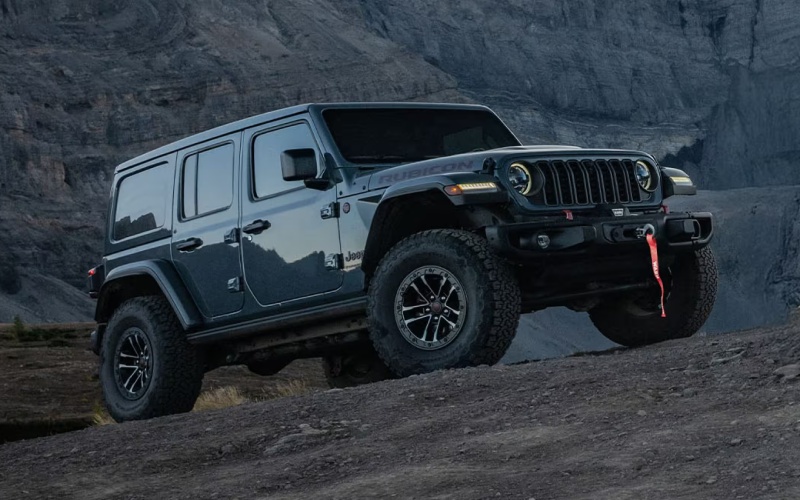
Country Jeep Oxford – Sky One-Touch Power Top – Effortless Open-Air Freedom for Quarryville, PA Drives
The 2026 Jeep® Wrangler is already America’s best-selling open-air vehicle, and the Sky One-Touch® Power Top takes that signature freedom to a whole new level—especially for drivers who split time between the easy pace of Quarryville, PA roads and the scenic farm-country detours that pop up after work. With a single touch, the entire roof slides open, transforming your cabin from quiet and cozy to sunshine-filled and breeze-ready in seconds. There’s no stopping to unlatch rails or store panels; you keep rolling while the top does the work.
That convenience is more than a novelty. It’s a daily lifestyle upgrade. If your route adds a few extra minutes along rolling Lancaster County back roads, or you decide to pull over near a quiet trailhead, you can open or close the roof without breaking your stride. Pair it with quick-release door hinges that require no tools, and your Wrangler becomes the easiest path to the classic Jeep® open-air formula with far less fuss.
What Exactly Is the Sky One-Touch Power Top?
It’s a factory-engineered, full-length power retractable soft top that spans front and rear rows. Tap the switch and the roof glides open above both rows, giving every passenger a share of the sky. Because it’s integrated from the start, it’s designed to be weather-tight, quiet, and durable, even at highway speeds. It complements Wrangler’s robust body design—wide stance, solid front and rear axles, and Trail Rated® underpinnings—so open-air driving never compromises the SUV’s core strength.
Why It Matters for Daily Life around Quarryville, PA
Quarryville drivers know weather can change quickly across the countryside. The Sky One-Touch® gives you the flexibility to adapt on the move, whether you’re cruising to a game at Memorial Park or running errands along 4th Street. There’s no juggling Freedom Top® panels or planning where to stash them. If traffic opens up and the sun breaks through, one touch and you’re in open-air mode; if a surprise cloudburst rolls in, close it up and keep going.
There’s also a benefit for families and riders who prefer simplicity. You get the sensory joy of a classic Jeep® ride without asking passengers to help with panels or wait while you stop. And because the roof extends over the second row, kids and guests enjoy the same sense of fresh air and sky as the driver—no more “only the front row gets the wind.”
Comparing Wrangler Top Options
Wrangler’s variety is part of the fun. Here’s how the Sky One-Touch® compares with other factory top choices many local shoppers consider.
- Freedom Top® Three-Piece Hardtop: Rigid panels with excellent insulation and security; manual panel removal and storage planning required.
- Sunrider® Soft Top: Classic fabric top flexibility; requires manual operation and latching but keeps weight lower.
- Sky One-Touch® Power Top: Full-length powered opening for both rows; open or close at speed with no panel storage needs.
All options pair beautifully with Wrangler’s quick-release door hinges. Your decision hinges on how often you’ll change setups in a day and whether you want a power solution that’s always ready.
Trail Readiness and Durability
Wrangler remains a Wrangler. Whether you’re running Command-Trac® or Rock-Trac® 4×4 Systems, flexing articulation over a rutted farm lane, or parking near a field path, the Sky One-Touch® Power Top is designed to coexist with the rest of Wrangler’s off-road hardware and structural strength. The high-strength steel frame and integrated design deliver the rigidity Jeep® engineers targeted, and the top seals effectively for dust and rain when you head back onto gravel or the occasional unpaved shortcut.
Pair the top with available equipment like steel bumpers, rock rails, and the factory-installed WARN® winch, and you’re set up for confident adventures—open or closed. And because the front radar sensors are positioned above the rearview mirror, Adaptive Cruise Control availability doesn’t demand bumper compromises on trail-ready builds.
Cabin Experience: Tech Meets Airflow
Inside, Uconnect® 5 with the 12.3-inch touchscreen anchors the modern cockpit. The interface is simple, fast, and ready for Apple CarPlay® support and Android Auto™ compatibility—handy for map checks before you slide the roof open and let the fresh air in. If you’re on the way to a friend’s place near State Street or staging for a weekend drive toward Buck, on-screen navigation and voice control make the drive easier so you can focus on enjoying the breeze.
Noise levels are well-managed for a soft top, and the power mechanism keeps operation smooth. If you’ve driven hardtops in the past and worried about the transition to soft tops, this system is engineered to feel premium, integrated, and secure.
Care, Maintenance, and Everyday Tips
Because Sky One-Touch® is factory-installed, care is straightforward. Rinse dirt or dust before washing, and use Jeep®-recommended cleaners to maintain the fabric and seals. Avoid high-pressure streams up close at the seams, and inspect the mechanism periodically to ensure smooth travel. In winter, brush off heavy snow before powering the top to reduce stress on the fabric.
Consider pairing the top with all-weather floor liners and a cargo liner from Mopar®—especially if your weekends include trail walking or muddy fields. It keeps cleanup simple and the cabin looking great, even as you lean into Wrangler’s lifestyle of spontaneity.
Who is the Sky One-Touch® Power Top best for? If your Quarryville, PA rhythm includes back-road drives at dusk, quick trips to pick up produce, or family sunset cruises after dinner, it’s hard to beat. Drivers who switch between open and closed several times a day love the no-fuss control. And anyone who wants to share the open-air feeling with rear-seat passengers will appreciate the full-length opening.
If you’d like to explore it in person, a knowledgeable team can help you compare tops, trims, and 4×4 systems—and walk you through quick-release doors and best practices. When you’re ready to order or test a model equipped with Sky One-Touch®, Country Chrysler Dodge Jeep RAM Oxford can help configure the right Wrangler for daily life and weekend escapes.
Frequently Asked Questions:
Can I add the Sky One-Touch® Power Top later?
It’s a factory configuration. If you want this feature, order or choose a Wrangler built with Sky One-Touch® from the start to ensure proper integration and sealing.
Is the Sky One-Touch® compatible with roof racks?
Because the roof retracts, traditional fixed racks won’t work the same way. Ask about compatible cargo solutions designed for Sky One-Touch® models or alternative storage setups.
Does the power top affect off-road performance?
No. Wrangler retains its Trail Rated® capability, solid axles, and available off-road hardware. The power top complements the platform and preserves the SUV’s inherent toughness.
What if I want a quieter cabin for long highway trips?
The power top is impressively refined for a soft top. If maximum insulation is your priority, consider a second Wrangler with a Freedom Top® or compare back-to-back drives to see what suits you best.
Ready to enjoy open-air freedom at the touch of a button? Our team is serving Quarryville, Downingtown, and Newark with guidance on tops, trims, and accessories so you get the Wrangler that perfectly fits your day-to-day and your adventures.
Request more 2026 Jeep Wrangler information
Country RAM Oxford – Can a 2026 Ram 1500 haul a pallet of pavers near Bel Air, MD?
The practical answer matters when you are planning a patio, retaining wall, or walkway and your weekend hinges on one truck run to a local supply yard. We talk with plenty of Harford County homeowners and contractors who want to know whether a 2026 Ram 1500 can safely carry a full pallet of pavers from Bel Air to the job site. Below, our team at Country Chrysler Dodge Jeep RAM Oxford breaks down payload math, real-world pallet weights, and the smartest ways to configure and use your Ram 1500 for heavy materials so your project goes smoothly.
Because Bel Air’s supply runs often include stop-and-go traffic on MD-24, hills on US-1 by the Conowingo area, and tight neighborhood streets, getting this call right is about more than raw numbers. It is about matching the truck’s exact payload rating to what you intend to carry, securing the load correctly, and knowing when a trailer makes more sense. Let’s walk through it step by step.
Why this question matters around Bel Air, MD
Landscape supply yards in and around Bel Air, Forest Hill, and Fallston commonly load with forklifts, and many customers head north toward the PA line or out toward Abingdon with a full bed. Those rolling hills, short merge lanes, and busy weekend traffic put a premium on keeping your Ram 1500 well within its rated limits and properly balanced. Choosing the right approach protects your truck, your brakes, and your timeline.
Ram 1500 payload basics — start with your exact sticker
Every 2026 Ram 1500 has a specific payload rating shown on the Tire and Loading Information label in the driver’s door jamb. That number is the maximum combined weight of people, cargo, and accessories in or on the truck bed and cab.
- Know your number: The 2026 Ram 1500 lineup offers a maximum available payload of up to 2,360 lb when properly equipped; your exact truck may be lower based on cab, bed, drivetrain, engine, wheels, and options.
- Everything counts: Add the driver, any passengers, a toolbox, a tonneau cover, bed liner, and hitch equipment to the payload tally before you consider the pallet itself.
- Balance over the axle: Keep the heaviest portion of any load centered between the wheel wells and as close to the cab as practical to maintain stable steering and braking on local roads.
What does a pallet of pavers really weigh?
Paver pallets vary widely. A small-format concrete paver can come in around 2,000 lb per pallet, while thicker or larger-format pavers and natural stone can push 2,800 to 3,200 lb or more. The wood pallet itself can add 30 to 60 lb, and different moisture contents can change weight day to day.
That means a full pallet of some products can exceed the maximum available payload for a properly equipped 2026 Ram 1500. The key is to match the specific product weight on your ticket to the exact payload sticker on your truck before loading.
When the answer is yes — and how to do it right
If your specific paver pallet weight fits within your Ram 1500’s remaining payload (after accounting for people and gear), you can carry it confidently by following a few best practices. The 2026 Ram 1500 brings serious muscle to the job, with available engines like the 3.0L Hurricane, the 5.7L HEMI® V8, and the 3.6L Pentastar® V6, plus robust frame engineering. Still, smart loading makes all the difference.
- Verify at the yard: Ask the yard for the pallet weight on your invoice and compare it to your truck’s remaining payload capacity.
- Choose your configuration wisely: Lighter trims, 4×2, and the 6’4″ bed typically support higher payloads than heavily optioned 4×4 crew configurations.
- Stage for balance: Have the forklift place the pallet against the front of the bed to keep weight over the rear axle rather than at the tailgate.
- Secure the load: Use four ratchet straps rated for the full load, anchored to the bed tie-downs; recheck tension after the first few miles.
- Drive with margin: Use Tow/Haul mode if equipped, increase following distance on MD-24 and US-1, and take hills at moderate speeds to preserve braking.
When a trailer is the smarter play
If the pallet weight exceeds your Ram 1500’s available payload, or comes too close for comfort after you account for passengers and gear, using a trailer is both safer and easier on the truck. The 2026 Ram 1500 offers a maximum available towing capacity of up to 11,610 lb when properly equipped, plus the Most Available Towing Technology Features Ever Offered on Ram 1500 for added confidence.
- Right-size the trailer: A tandem-axle utility trailer with brakes spreads the load and usually tows more smoothly over the rolling routes around Bel Air.
- Use integrated tech: Look for an Integrated Trailer Brake Controller, Trailer Reverse Steering Control, and available 360 Surround View Camera to simplify hitching, backing, and braking.
- Mind hitch weight: Tongue weight counts toward payload; keep it around 10 to 15 percent of the trailer’s loaded weight and confirm you still stay within the truck’s payload rating.
- Check connections: Verify your 7-pin connector, lighting, and safety chains before leaving the yard; we can set up Mopar® accessories to make this seamless.
Bed-loading tips for the supply yard and driveway
A little prep protects the bed, the pallet, and your schedule. These quick steps fit how Bel Air-area yards commonly load with forklifts and how many homeowners stage materials in driveways for weekend builds.
- Remove or roll up the tonneau cover and clear the bed before you arrive.
- Lay a rubber bed mat or two 2x6s on edge to help the pallet slide without gouging the liner.
- Back squarely to the loading zone so the forklift can place the pallet tight to the cab.
- Close the tailgate if possible; if it must stay down, add a bright flag and recheck straps after a mile.
- On steep grades near the Conowingo area, downshift early and maintain steady speed to protect brakes.
Engines, capability, and why they matter for heavy materials
All three available engines in the 2026 Ram 1500 are engineered for real work. The available 3.0L Hurricane engines and the available 5.7L HEMI® V8 bring confident power, while the legendary 3.6L Pentastar® V6 offers proven everyday strength. Across the lineup, the 2026 Ram 1500 delivers up to 540 maximum available horsepower and up to 521 lb-ft of maximum available torque. That muscle shows up when you pull away from a stoplight with a full bed, merge onto I-95, or tow a loaded trailer up a hill toward Harford County’s back roads.
Just remember: engine choice can influence payload in two ways — curb weight differences change the payload sticker, and accessories added with certain trims also add weight. When maximum payload is the priority, we will help you configure the right combination to keep your sticker number as high as possible.
Local help — and the right setup — from our team
If your project list includes a pallet or two of stone or pavers, our team can help you choose and equip a 2026 Ram 1500 for the job. We install Mopar® bed protection, tie-downs, tonneau covers, the Integrated Trailer Brake Controller, and more. Bel Air shoppers reach us quickly via US-1 or I-95 — we are a straightforward drive to Oxford, and we know the local routes you will take back home with a loaded bed or trailer.
Bring your material list, ask us to review your payload and towing needs, and take a test drive to feel how the 2026 Ram 1500’s powertrain and chassis handle with confidence. We will help you spec the truck, set up the right accessories, and share best practices for loading so your job goes right the first time.
Frequently Asked Questions:
How do I find my 2026 Ram 1500’s exact payload rating?
Open the driver’s door and read the Tire and Loading Information label. That sticker shows the precise payload for your VIN as built, and it is the number you should use when calculating people plus cargo. If you add permanent accessories later, subtract their weight from that sticker value.
Can a forklift place a full pallet into the 5’7″ bed?
Yes, many pallets fit lengthwise with the tailgate down, but the safer approach is the 6’4″ bed when you know you will haul bulky, heavy materials. Always have the yard set the pallet tight to the cab to keep weight over the axle, and secure it with rated straps before leaving.
Do RamBox Cargo Management System beds work with pallets?
RamBox narrows the space between the bed walls, so standard pallets may not drop in between the wheel wells the same way. For palletized loads, a non-RamBox bed is usually the better choice. We can review your exact material dimensions and advise on fit.
If the pallet is too heavy for the bed, what trailer setup do you recommend?
A tandem-axle utility trailer with brakes is ideal. Pair it with your 2026 Ram 1500’s available Class IV receiver hitch, 7-pin wiring, and an Integrated Trailer Brake Controller. Keep tongue weight at 10 to 15 percent of loaded trailer weight and confirm you remain within your truck’s payload rating once tongue weight and passengers are added.
Which 2026 Ram 1500 features make hauling materials easier around Bel Air?
Look for Tow/Haul mode, available 360 Surround View Camera for positioning at the loading zone, available Trailer Reverse Steering Control if you plan to tow, and bed tie-downs plus a Mopar® bed mat. The 2026 Ram 1500 also offers the Most Available Towing Technology Features Ever Offered on Ram 1500, which helps when a trailer is the right call for heavier pallets.
Ready to spec the right 2026 Ram 1500 for your projects around Bel Air? Visit or contact Country Chrysler Dodge Jeep RAM Oxford — we will help you build the truck, outfit it with the right Mopar® gear, and make sure your next supply run is safe, simple, and productive.
Request more 2026 RAM 1500 information

Country Chrysler Oxford – Does the 2026 Chrysler Pacifica have stop-and-go adaptive cruise near Glen Mills, PA?
The answer matters when your daily drive includes Baltimore Pike congestion, quick merges onto US-1, and the rolling pace of Route 202. The 2026 Chrysler Pacifica is engineered to take the edge off busy suburban traffic around Glen Mills, PA with Adaptive Cruise Control with Stop and Go—a standard driver-assistance feature that helps you maintain a set speed and following distance and can bring the minivan to a complete stop when traffic stacks up, then resume as flow returns. At Country Chrysler Dodge Jeep RAM Oxford, we see how this one feature changes the rhythm of real-life commuting, school pickups, and weekend runs to The Shoppes at Brinton Lake—making the Pacifica feel calm, composed, and confidently modern.
What Adaptive Cruise Control with Stop and Go does in the Pacifica
Adaptive Cruise Control with Stop and Go uses sensors to monitor traffic ahead, automatically adjusting your speed to help maintain a set gap to the vehicle in front. In the 2026 Chrysler Pacifica, the system’s stop-and-go capability adds crucial utility for Route 1 and Route 202 traffic—capable of bringing the vehicle to a stop if the car ahead stops, and then setting you back on your way when traffic moves again. It’s part of the Pacifica’s standard safety and security suite that also includes Full-Speed Forward Collision Warning with Active Braking, a Pedestrian Automatic Emergency Braking System, LaneSense® Lane Departure Warning with Lane Keep Assist, a Blind Spot Monitoring System, ParkSense® Rear Park Assist System, and Rear Cross Path Detection. Together, these systems support smoother, more predictable progress on crowded Delaware Valley corridors.
On a practical level, this means fewer micro-adjustments on your right foot during those Glen Mills slowdowns near major intersections or when construction narrows lanes. When paired with the intuitive Uconnect® 5 system and a clear Digital Cluster Display, the Pacifica’s driver assistance feels transparent—you set the pace, confirm your gap, and the minivan helps manage the rest, while you remain fully responsible for steering and attention.
How to use it on your Route 1 commute
You do not need to be a tech expert to get real value from Adaptive Cruise Control with Stop and Go in the 2026 Pacifica. Here is the simple flow most drivers follow once traffic starts to bunch up near Glen Mills:
- Activate cruise: Use the steering-wheel cruise button to turn the system on, then accelerate to your desired speed.
- Set speed: Press Set to lock in your speed; use +/? to fine-tune as traffic allows.
- Choose following distance: Tap the distance button to increase or decrease the time gap to the vehicle ahead.
- Let traffic ebb and flow: The Pacifica will automatically slow, stop, and resume with the car in front within system limits.
- Stay engaged: Keep your hands on the wheel and eyes on the road; be ready to brake or steer at any time.
In very long standstills, you may need to tap Resume or lightly press the accelerator to re-engage after a complete stop—an easy, natural input that keeps you in control at every stage.
Standard across the lineup—and designed to reduce daily fatigue
Adaptive Cruise Control with Stop and Go is a standard safety feature across the 2026 Chrysler Pacifica lineup, from Select to Limited and Pinnacle. That means every gas Pacifica our team puts on the road can deliver the same stress-reducing support on your Glen Mills to Oxford or Glen Mills to West Chester drives. The broader package matters, too: Full-Speed Forward Collision Warning with Active Braking can help intervene if traffic ahead slows more abruptly than expected, while LaneSense® Lane Departure Warning with Lane Keep Assist offers gentle steering input to help you remain centered.
Daily comfort and calm are also a function of smart cabin tech. The Uconnect® 5 interface with a 10.1-inch touchscreen is quick to learn and easy to personalize, Wireless Apple CarPlay® support and Android Auto compatibility keep navigation and messages within reach, and available Alexa Built-in helps with hands-free tasks. If you carpool to Garnet Valley or run teams to practice fields off Smithbridge Road, available FamCAM interior camera views help you keep an eye on the second and third rows, while available Amazon Fire TV Built-in on rear-seat screens keeps passengers content when you hit backup near Concordville Town Centre.
Confidence on imperfect surfaces around the Brandywine Valley
Whether you choose front-wheel drive or the available all-wheel-drive system, Adaptive Cruise Control with Stop and Go functions the same. On loose stone driveways or when autumn leaves make back roads slick, available all-wheel drive can transfer torque between the front and rear wheels to help optimize traction, and Electronic Stability Control applies targeted brake and throttle adjustments to help you stay settled. Those stability tools complement, rather than replace, your driver assistance features—together they make the Pacifica feel sure-footed when traffic requires surprise slowdowns or lane shifts on local two-lanes.
Parking and low-speed maneuvering is equally straightforward. The available 360° Surround View Camera can make shopping center parking lots feel smaller, ParkSense® Front Park Assist (available) helps you ease into tight spots, and the Rear Camera Washer helps keep your backup view clear during messy days. Around Brinton Lake or grocery lots on Baltimore Pike, that convenience adds up quickly.
Local-use tips for smoother Glen Mills drives
To get the most from Adaptive Cruise Control with Stop and Go around Glen Mills, we recommend a few simple habits:
- Set a comfortable gap: Use the distance button to pick a time gap that matches your comfort level in heavier traffic.
- Keep sensors clear: After a slushy day or pollen burst, a quick wipe of the front fascia and windshield area helps sensors work their best.
- Blend tools: Consider pairing Adaptive Cruise Control with LaneSense® Lane Keep Assist on wider stretches of US-1 or Route 202 for a calmer, centered drive.
- Know the limits: Driver-assistance features do not replace your attention—stay alert for cut-ins, construction cones, or erratic traffic flow.
- Practice once: We are happy to demonstrate the controls during your test drive so you feel at home before your first commute.
If you plan to tow a lightweight trailer within the Pacifica’s Best-in-Class maximum towing capacity of up to 3,600 pounds (with the available Trailer Tow Group), remember that stopping distances increase. Many assistance features can still support you, but it is wise to select a longer following distance and allow extra room, especially when descending toward river crossings in the Brandywine Valley. Always consult your owner’s manual for detailed guidance.
Family errands? The Pacifica’s thoughtful features reduce little frictions before traffic even starts moving. The Class-Exclusive available Stow ’n Go® Seating and Storage System lets you fold second- and third-row seats into the floor to make room for big-box runs, and the available Stow ’n Vac® powered by RIDGID® helps you handle snack crumbs between practices. When hands are full after a Costco stop on Wilmington Pike, available hands-free power sliding doors and liftgate make loading seamless.
Test it where you actually drive
Our favorite way to showcase the 2026 Chrysler Pacifica’s Adaptive Cruise Control with Stop and Go is to demonstrate it on the roads you use every day. At Country Chrysler Dodge Jeep RAM Oxford, our product specialists will walk you through the steering-wheel controls, help you pick your preferred following distance, and take a loop that includes open highway and real stop-and-go segments. We will also help you customize Uconnect® 5 profiles, pair your phone for Wireless Apple CarPlay® support, and review available features like the 360° Surround View Camera so you can see how the Pacifica fits your Glen Mills, PA routine from day one.
If you are already an owner, our Mopar®-trained team can check sensor alignment, update software, and confirm your driver-assistance settings during routine service. From quick Mopar® Express Lane visits to comprehensive maintenance, we keep your minivan feeling as effortless as the day you drove it home.
Frequently Asked Questions:
Is Adaptive Cruise Control with Stop and Go standard on the 2026 Chrysler Pacifica?
Yes. Adaptive Cruise Control with Stop and Go is part of the Pacifica’s standard safety and security features for 2026, across the lineup.
Will the Pacifica automatically move after a complete stop?
In typical stop-and-go traffic, the system can bring the vehicle to a stop and then resume as traffic moves within system limits. After extended standstills, you may need to tap Resume or lightly press the accelerator to re-engage.
How do I change the following distance?
Use the steering-wheel distance button to cycle through time-gap settings. The gap represents time, not feet—choose the one that matches your comfort level and traffic flow.
Is this hands-free driving?
No. Adaptive Cruise Control with Stop and Go manages speed and following distance, and LaneSense® Lane Keep Assist can provide steering input to help keep you centered. You must keep your hands on the wheel and remain attentive at all times.
Does weather affect operation?
Heavy precipitation or debris can reduce sensor performance. Keep the front fascia and windshield area clear and drive with extra care if visibility or road conditions are compromised.
Can I use navigation, Alexa Built-in, or music apps while Adaptive Cruise Control is active?
Yes. With Uconnect® 5, Wireless Apple CarPlay® support, Android Auto compatibility, and available Alexa Built-in, you can manage directions and audio hands-free while Adaptive Cruise Control with Stop and Go handles speed adjustments.
Does all-wheel drive change how Adaptive Cruise Control works?
No. The feature operates similarly with front-wheel drive or available all-wheel drive. AWD can help with traction on loose or slick surfaces, complementing your driver-assistance tools.
Where can I try it near Glen Mills, PA?
Visit Country Chrysler Dodge Jeep RAM Oxford—just a straightforward drive from Glen Mills via US-1/Baltimore Pike. We will demonstrate Adaptive Cruise Control with Stop and Go on the same corridors you use every day.
Ready to experience calmer commutes around Glen Mills, PA? Contact our team to schedule a personalized test drive of the 2026 Chrysler Pacifica, explore available features like the 360° Surround View Camera and FamCAM, and see how seamlessly this minivan fits your family’s real-world rhythm.
Request more 2026 Chrysler Pacifica information

Country RAM Oxford – Confident Truck Shopping at a RAM Dealer near Newark, DE
Searching for a RAM Dealer near Newark, DE that understands local driving, offers a wide selection, and makes every step simple? Welcome to Country Chrysler Dodge Jeep RAM Oxford, your nearby resource for trucks and vans that work as hard as you do. From commuting around the University of Delaware to hauling gear on DE-896, or running deliveries between I-95 and Elkton Road, our team is ready to match you with a RAM that fits your daily needs—without the guesswork.
Our approach is straightforward. We listen, guide, and support your choices from the moment you browse until long after you take delivery. Whether you are considering a new RAM 1500 for everyday versatility, stepping up to heavy-duty capability, or exploring a commercial van for your growing business, you can count on us to provide clear answers, flexible financing, dependable service, and a comfortable, transparent experience from start to finish.
Built Around Newark, DE Driving
Newark drivers balance tight campus traffic near Main Street, weekend time at White Clay Creek State Park, and frequent hops along I-95 to Wilmington or Elkton. RAM trucks and vans fit these mixed demands with confident 4×4 availability, smart storage, intuitive tech, and towing-focused features for trailers or equipment. If your day includes jobsite stops around the South College Avenue industrial corridors, a pickup with a durable bed and confident brake control can turn hours of work into a smooth, predictable routine.
Versatility is the name of the game. RAM 1500 models deliver refined ride quality, intelligent cargo solutions, and modern connectivity—ideal for Christiana-area errands or long stretches on the Delaware Turnpike. Need big-time capability for construction or agriculture? Heavy-duty trucks offer robust frames, advanced towing tech, and powertrains designed for confidence. Commercial shoppers appreciate how RAM ProMaster configurations accommodate tools, upfits, and shelving for streamlined workflows across Newark’s neighborhoods.
Why Choose Our RAM Team Near Newark
- Local access, real support: We are nearby, easy to reach from DE-273, DE-2, and I-95, and ready to help you compare cabs, bed lengths, and axle ratios in one visit.
- Extensive selection: Explore a wide range of trucks and vans—plus colors, interiors, and packages—so you can dial in the capability and comfort you want.
- Straightforward financing: Get guidance on lease and loan options, explore pre-approval online, and choose a plan that fits your timeline and goals.
- Trade-in made easy: Bring your current vehicle for a quick appraisal and apply its value toward your next RAM with minimal downtime.
- Commercial know-how: From payload needs to upfit guidance, we help businesses configure solutions that keep crews and gear moving efficiently.
- Long-term partnership: Our certified technicians, genuine parts, and Mopar® Express Lane services keep your truck ready for the road.
Inventory is only the beginning. Inside the cabin, you will find user-friendly tech like Uconnect 5, available Apple CarPlay and Android Auto integration, and supportive seating that makes the daily commute down Elkton Road easier on your back and schedule. RAM’s engineering also highlights strong, well-balanced performance—available 4×4 systems, selectable drive modes, and refined suspensions that stay composed on patched pavement and during busy on-off ramp merges.
Financing Made Clear—From Pre-Approval to Signing
We believe customers make the best decisions when the options are clear and the process is easy. Start with our quick online pre-approval to save time at the store. Our finance team works with a network of banks and credit unions to help you compare paths confidently—whether you want consistent monthly payments for the long haul or prefer the flexibility to refresh your ride every few years.
If you have a trade-in, bring it. We will conduct a thorough appraisal, explain how the value applies to your plan, and help you understand the impact on monthly terms. Exploring a protection plan or accessories? We will walk you through what each one covers so you get exactly what you want and nothing you do not.
- Explore RAM trucks and vans online or in-store.
- Get pre-approved to understand your buying power.
- Value your trade and review your equity position.
- Schedule a test drive to confirm the right fit.
- Compare lease and loan options with our finance team.
- Take delivery and enjoy confident support after the sale.
Our customers often ask whether to lease or buy. Leasing can be ideal if you like newer features more often and plan to stay within annual mileage targets. Buying makes sense if you rack up miles on I-95, plan to keep the truck long-term, or want maximum flexibility for modifications and resale. We will help you assess which route aligns best with how you work and live around Newark.
Service and Parts That Keep You Moving
After your purchase, our commitment continues. Routine maintenance is simple with our Mopar® Express Lane—perfect for oil changes, tire rotations, battery checks, and multi-point inspections without an appointment. For in-depth work, our certified technicians use factory diagnostics and genuine parts to protect performance, safety, and long-term value. We also check for software updates and open recalls to keep your RAM operating at its best.
Accessorizing is just as easy. Consider a spray-in bedliner for frequent cargo loads, a tonneau cover for weather protection, or the RamBox Cargo Management System for secure, organized storage. If towing is part of daily life—boats to Lums Pond, utility trailers for weekend projects—ask about integrated Trailer Brake Controller, available Trailer Reverse Steering Control, and Blind Spot Monitoring with Trailer Detection for confident maneuvering.
As a regional resource, we are proud to be serving Oxford, Glen Mills, and Bel Air, and we are just a short, convenient drive for Newark customers seeking selection, service, and support under one roof.
When you choose a RAM, the details matter—from capability and comfort to durability and uptime. Country Chrysler Dodge Jeep RAM Oxford brings it all together with a knowledgeable sales team, a friendly finance center, and a service department that understands how Newark drivers use their trucks. If you have layered questions about trims, powertrains like available HEMI® options, towing features, or upfits, we will answer each one clearly so you can move forward with confidence.
Frequently Asked Questions:
How close are you to Newark, DE?
Our showroom is an easy drive via I-95 and US-1, making test drives and service appointments simple to fit into your day. Many Newark shoppers also use DE-896 to connect quickly.
Can you help me compare RAM 1500, 2500, and 3500 capability?
Absolutely. We will discuss payload, towing, axle ratios, suspension setups, and available 4×4 systems, then align those specs with your trailer weights, cargo, and daily routes around Newark.
What if I am buying for my business?
We support small and mid-size businesses with upfit guidance, ladder racks, storage solutions, and commercial financing paths. We can also help coordinate service schedules that minimize downtime.
Do you accept trade-ins even if I am still making payments?
Yes. We will appraise your vehicle, contact your lender for a payoff, and explain how the equity position impacts your next plan so you have a clear, step-by-step path forward.
Can I service other makes with you?
Yes. While we are your RAM resource, our service team works on many makes and models. For RAM trucks, we use genuine Mopar® parts to maintain performance and longevity.
What technology should Newark commuters look for?
Consider Uconnect 5 for intuitive navigation and voice control, Adaptive Cruise Control for highway stretches, and available parking assist features for downtown and campus areas.
Country Chrysler Dodge Jeep RAM Oxford is here to make your truck search simple and rewarding—from that first round of questions to your first service visit. Visit us to compare trucks in person, start your pre-approval online, or bring your trade for a fast appraisal. If you prefer to begin from home, request more information and we will follow up with tailored recommendations based on how you drive Newark’s roads every day.
Ready to take the next step with a RAM Dealer near Newark, DE? Reach out to our team at Country Chrysler Dodge Jeep RAM Oxford today to schedule a test drive, explore financing, and get answers to every last question. We are ready when you are.
Request more 2026 RAM 1500 information
Does the 2027 Chrysler Pacifica include built-in rear entertainment for families around Quarryville, PA?
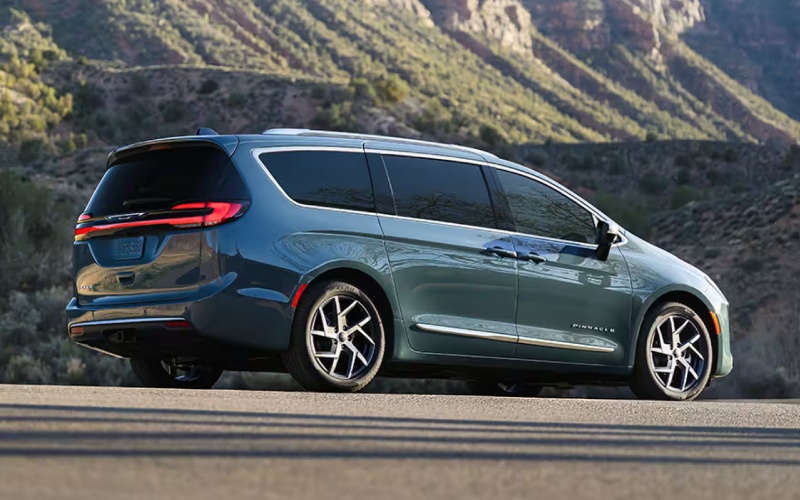
Country Chrysler Oxford – Does the 2027 Chrysler Pacifica include built-in rear entertainment for families around Quarryville, PA?
Parents and passengers alike appreciate a quiet, focused cabin, and that starts with choosing a vehicle that integrates entertainment thoughtfully. The 2027 Chrysler Pacifica offers an available Theater Group with dual 10-inch HD touchscreens and Amazon Fire TV built-in—purposefully designed to keep everyone engaged without adding clutter or complexity for the driver.
This blog explores how the available Theater Group works, what it can do for your routine, and where it fits in a Pacifica build that emphasizes comfort, connectivity, and everyday practicality for families around Quarryville, PA.
What’s included in the available Theater Group?
The available Theater Group equips two 10-inch HD touchscreens, mounted for easy access in the second row. Each display can run different content independently, which means a teen and a younger sibling can watch separate shows, switch between movies and games, or pause and resume at their own pace—no arguments over what’s on. Amazon Fire TV built-in is the heart of the experience, offering a familiar interface and a growing content library. It’s cleanly integrated into the Pacifica, with screens positioned for comfort and minimal glare, and it pairs naturally with the rest of the cabin’s user-friendly controls.
In short, the Theater Group transforms longer drives into manageable stretches of personalized entertainment, easing the noise level and helping the driver maintain a calm, focused drive.
How does Amazon Fire TV built-in help day to day?
Amazon Fire TV built-in brings familiar apps and a streamlined interface directly to the rear screens. Instead of juggling portable tablets, cables, and battery life, your passengers simply tap into a known experience. It’s consistent, responsive, and easy to navigate—ideal for after-school waits, evening practices, or visiting relatives across town. The design prioritizes convenience, so it fits right into a life that moves fast.
Will the Theater Group distract the driver?
The layout is specifically designed to keep the driver focused. Rear-screen controls live with the rear passengers, while the driver maintains control of the primary Uconnect® 5 system via the 10.1-inch touchscreen up front. That separation means less fidgeting from the driver, fewer requests, and more autonomy for passengers to handle their own entertainment. Pair this with available driver assistance technologies like Turn Signal-Activated Blind Spot View, and you get a well-rounded environment that supports attention and situational awareness.
Who benefits most from dual 10-inch HD screens?
Families who value personalized content and quiet cabin time will love it. So will rideshare drivers who occasionally carry families or carpool coordinators doing weekday duty. If you often cross town for extracurriculars or head out for weekend visits, the dual screens deliver the kind of independence that makes trips feel shorter for everyone on board.
Practical tips for using the Theater Group
To keep the setup seamless, think about how your household uses entertainment already. The available Theater Group can plug into your rhythm without reinventing it. A few simple habits can help you get the most value from it every day.
- Create profiles: Set up content preferences so each passenger can quickly find their favorites.
- Plan downloads: If you anticipate low-signal areas, queue content ahead of time when connected.
- Use headphones: Encourage personal audio so the cabin stays focused on the road.
- Teach basics: Show kids simple navigation so the driver isn’t fielding requests from the front.
- Coordinate breaks: Use natural pauses—fuel or snack stops—to help younger kids transition between episodes.
How does the Theater Group fit within the rest of the Pacifica experience?
It complements the features that make the 2027 Chrysler Pacifica a smart daily companion. Up front, Uconnect® 5 keeps the driver connected with a modern 10.1-inch touchscreen interface. For visibility, the available Turn Signal-Activated Blind Spot View displays a live camera feed in the adjacent lane when you engage your signal. For family logistics, the Stow ‘n Go® Seating and Storage System turns people space into cargo space in minutes—no heavy seat removal required. There’s a unifying theme: each feature reduces friction in everyday life.
What if my family’s needs change over time?
That’s where the Pacifica shines. You can tailor your build with options that matter most right now, knowing the foundational strengths—like Stow ‘n Go® flexibility and the intuitive Uconnect® 5 system—will continue to deliver as your family evolves. As kids grow, the way they use the rear screens will change too, but the simplicity and independence the Theater Group provides will remain a benefit. Country Chrysler Dodge Jeep RAM Oxford can help you map features to both today’s routines and tomorrow’s possibilities, serving Bel Air, Quarryville, and Downingtown with friendly, knowledgeable support.
Frequently Asked Questions:
Can each rear screen show different content at the same time?
Yes. The available Theater Group’s dual 10-inch HD touchscreens can run different content independently so each passenger can enjoy their own show, movie, or game.
Is the entertainment system difficult to control from the front?
No. The design keeps the driver focused by placing primary control of entertainment in the rear. The front Uconnect® 5 system remains dedicated to the driver’s needs, like audio, phone, and available navigation.
How does this compare to bringing tablets for the kids?
The Theater Group is integrated, neatly installed, and ready when you start the vehicle—no charging, mounting, or cable clutter. It’s also easier for kids to operate on their own, which reduces driver distraction.
Will the system still be useful as kids grow?
Absolutely. Whether it’s early-years shows, educational videos, or later-grade streaming and games, the dual screens with Amazon Fire TV built-in scale with your family’s preferences and independence.
Where to go from here
Choosing the right features starts with how you drive and what your passengers need most. If integrated, low-hassle entertainment is a priority, the available Theater Group belongs on your short list. Combine it with the features that simplify driving—like Uconnect® 5 in the front, Turn Signal-Activated Blind Spot View, and the Stow ‘n Go® Seating and Storage System—and you get a flexible, family-centered cabin that keeps up with real life.
When you’re ready for a hands-on look, our team at Country Chrysler Dodge Jeep RAM Oxford can walk you through the available Theater Group, help you compare configurations, and set up a test drive that mirrors your day-to-day routine. Bring the family, explore the screens, and see how the 2027 Pacifica turns travel time into peaceful time.
Request more 2027 Chrysler Pacifica information
Country Jeep Oxford – Is 4×4 standard on the 2026 Jeep Compass for Downingtown, PA shoppers?
Choosing an SUV that feels capable on winding township roads, gravel lanes, and occasional trailheads around Downingtown, PA often comes down to one question: is 4×4 standard, and what difference does it make day to day? With the 2026 Jeep® Compass, the answer is refreshingly simple—every model includes the Jeep Active Drive 4×4 System, so you start with real traction benefits from your first mile. That baseline confidence is then enhanced by the Selec-Terrain® Traction Management System, which lets you fine-tune the SUV’s behavior for Auto, Snow, Sand, or Mud. If your weekends pull you toward rougher two-tracks or steeper, rocky ground, the Trailhawk® trim adds Jeep Active Drive Low 4×4 with a 20:1 crawl ratio, Hill Descent Control, Rock Mode, and Falken® WILDPEAK® All-Terrain Tires.
This combination makes the Compass easy to live with and easy to trust. Commuters appreciate the set-and-forget smoothness of Auto mode, while those who regularly encounter construction zones, unpaved expansions, or grassy parking areas can dial in more focused traction at a moment’s notice. It’s a practical edge that works beyond off-road adventures, supporting your day-to-day driving around neighborhoods and backroads alike.
What standard 4×4 means on every trim
With standard Jeep Active Drive 4×4, the Compass continuously monitors wheel slip and can automatically send torque to the axle with the most grip. You don’t need to manage complicated settings—just drive, and the system does the rest. Selec-Terrain® adds a quick, intuitive way to adapt vehicle response to the surface you see ahead. Heading onto a rutted, washboard lane to a trailhead or park pavilion? Switching from Auto to Mud or Sand optimizes throttle feel and traction control, so the Compass tracks straighter and feels more composed.
How Trailhawk raises the bar
Trailhawk® takes hardware and calibration further for drivers who regularly explore beyond the end of the pavement. Jeep Active Drive Low 4×4 introduces a lower ratio for more measured, controlled power at crawling speeds, ideal for cresting ledges or easing over uneven rock shelves. Exclusive Rock Mode adjusts shift mapping and traction behavior for technical footing, while Hill Descent Control oversees smooth, predictable speed management on steeper declines. The standard Falken® WILDPEAK® All-Terrain Tires provide additional bite and durability, so you can commit to lines with greater confidence. If your adventures include creekside access roads, rutted state-forest trails, or steep gravel climbs, Trailhawk® feels purpose-built.
Real-world benefits beyond the trail
Even if you rarely venture off-pavement, standard 4×4 and Selec-Terrain® pay dividends on mixed surfaces: wet leaves on shaded byways, dusted gravel after maintenance, or uneven gravel pull-offs near athletic fields and nature preserves. On-road ride and handling remain easygoing thanks to the 2.0L Turbo engine and 8-speed automatic, while the 2,000-pound maximum towing capacity adds flexibility for a small trailer, pair of kayaks, or yard-project hauls. Inside, available Uconnect® 5 with a 10.1-inch touchscreen and the available 10.25-inch Digital Cluster Display keep your maps, media, and drive-mode information a quick glance away, while the available Alpine® Premium Audio System adds clarity to podcasts and playlists.
Safety and visibility that support confidence
Capability feels best when it’s backed by smart visibility and driver assistance. Available Active Driving Assist helps maintain speed and centered lane position on well-marked roads, easing fatigue when traffic stacks up on Route 30. Drowsy Driver Detection can prompt a break if your attention wanes. LED projector headlamps, Rain-Sensing Windshield Wipers, and heated exterior mirrors support clearer vision when conditions turn, and seven airbags plus a high-strength steel body structure provide added peace of mind.
Trailhawk details at a glance
- Jeep Active Drive Low 4×4 with a 20:1 crawl ratio
- Selec-Terrain® with exclusive Rock Mode
- Hill Descent Control
- Falken® WILDPEAK® All-Terrain Tires
- Full-size spare tire
Those pieces add up to an SUV that transitions seamlessly from Main Street errands to trail approach roads—without feeling overbuilt or cumbersome in daily parking lots and tight downtown blocks.
How to test 4×4 confidently on a drive route
To feel the difference between modes, plan a test drive that includes well-marked roads for available Active Driving Assist, a safe gravel pull-off, and a mild incline. Cycle through Selec-Terrain® in a controlled area and note how throttle and traction change. Then, if you’re evaluating Trailhawk®, try a low-speed crawl up a mild, uneven surface and a slow descent where Hill Descent Control can work. Keep your eye on the Digital Cluster Display to see relevant 4×4 status as you go.
Frequently Asked Questions:
Is 4×4 really standard on every 2026 Compass trim?
Yes. Jeep Active Drive 4×4 is standard across the lineup. Trailhawk® adds Jeep Active Drive Low 4×4 for enhanced low-speed control.
Which Selec-Terrain modes are included?
Auto, Snow, Sand, and Mud are standard. Trailhawk® adds Rock Mode for technical surfaces.
Does Trailhawk include a full-size spare?
Yes, Trailhawk® includes a full-size spare tire, while other trims include a tire service kit.
What tires come on Trailhawk?
Trailhawk® rides on Falken® WILDPEAK® All-Terrain Tires, designed for rugged footing and stable on-road manners.
If you’re deciding whether standard 4×4 is enough for your routes or you’d benefit from Trailhawk’s added capability, we can help you structure a smart test drive and compare trims side by side. Visit Country Chrysler Dodge Jeep RAM Oxford, serving Quarryville, Downingtown, and Newark, to see how the 2026 Jeep® Compass fits your roads, your gear, and your weekends.
Request more 2026 Jeep Compass information
Connect with us

