




Country Jeep Oxford – Which SUV tackles rocky creek crossings better around Quarryville, PA — the 2026 Jeep Wrangler or the 2026 Ford Bronco?
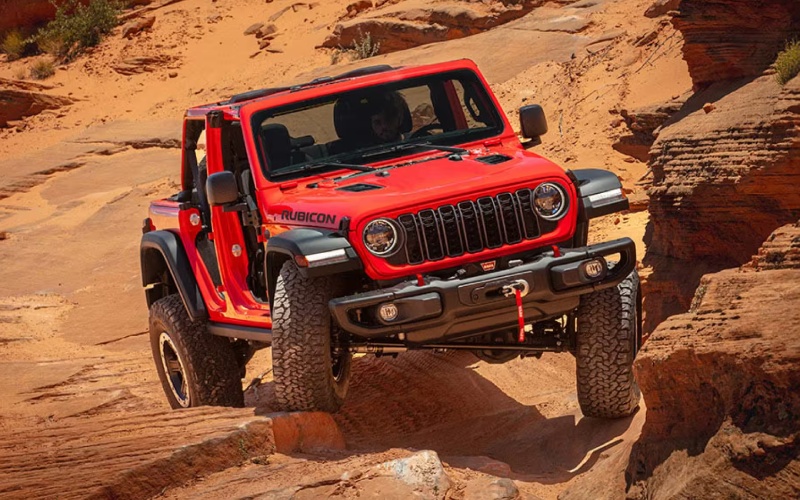
It’s one of the most common questions we hear from drivers who split time between smooth commutes and backroad exploration: when the trail drops into a rocky creek bed, which SUV inspires more confidence—Jeep® or Ford? The comparison gets interesting because both bring big-time capability. Bronco cites up to 37 inches of water fording and excellent ground clearance, while Wrangler counters with solid axles, a best-in-class available 47.4-degree approach angle on 4-door models, and packaging decisions aimed at real-world off-roading. Below, we unpack how these differences play out when the rocks get slick and water starts moving.
What makes a better creek-crosser—specs or setup?
On paper, water-fording depth, approach angle, and ground clearance matter. In practice, setup—bumpers, winches, tow hooks, tires, and sensor placement—often decides how relaxed you feel when the far bank rises fast. Wrangler’s approach to packaging is especially helpful here: Jeep locates its front radar sensor above the rearview mirror, so equipping a steel bumper and available factory WARN® winch won’t conflict with driver-assistance sensors. That means you can run recovery gear and keep your safety tech. Bronco’s tech is robust too, but bumper-mounted components may limit certain aftermarket choices without extra work.
Axle design also affects confidence. Wrangler’s solid front and rear axles maintain consistent ground clearance under the pumpkin and deliver predictable articulation across offset rocks. Bronco’s independent front suspension is great at speed and over chatter, but when you ease across uneven, submerged stones, the way a solid axle puts the tire down can feel more settled. Add Wrangler’s available sway bar disconnect and lockers, and you get a controlled crawl that rewards patience and line choice.
Trail approach matters as much as trail numbers
Specs rarely tell the whole story. The way approach angle combines with bumper shape and tire size can be the difference between a gentle nose dip and a bumper scrape that changes your line. Wrangler’s available 35-inch tires, steel bumpers, and class-leading approach angle help ease that first ledge into the water. Bronco’s approach angle is strong too, and its Sasquatch® Package with 35-inch tires is a genuine upgrade for creek approaches. But on steep, cut banks where inches count, Wrangler’s geometry keeps winning fans who push beyond graded fords.
How to prep for a creek crossing the smart way
Whether you drive a Wrangler or a Bronco, good prep protects your SUV and your day. Here’s a simple, proven approach to keep in mind.
- Walk first: Check water depth, current, and the shape of the exit bank before you drive in.
- Pick a line: Aim for a straight, shallow path with the fewest hidden step-ups on the exit.
- Set your systems: Select 4-Low if equipped, engage lockers as needed, and disable features that hinder steady throttle.
- Maintain momentum: Enter slowly and keep a consistent, modest pace to avoid pushing water into the engine bay.
- Stage recovery: Attach a recovery rope to a rated tow point on a buddy vehicle before you go, just in case.
Frequently Asked Questions:
Does Wrangler list a specific water-fording depth?
Jeep® emphasizes capability and cautions owners to follow the water-fording guidance in the Owner’s Manual. Wrangler’s Trail Rated® status reflects proven fording performance, but Jeep advises confirming depth and crossing conditions before attempting any ford.
How does Bronco’s stated fording number change the comparison?
Bumper and tire setups, current speed, and exit ledge conditions all affect real-world success. Bronco’s up-to 37-inch figure is impressive, but Wrangler’s approach angle, axle articulation, and trail-first packaging often give drivers more control on steep or offset exits.
What tires help most in rocky creeks?
True all-terrains with sturdy sidewalls and strong wet traction are your friend. Both SUVs offer 35-inch tire packages. For frequent fording, consider tread patterns that clear silt fast and maintain grip on rounded, algae-slick stones.
Will a winch block my driver-assistance features?
On Wrangler, Jeep positions the front radar above the rearview mirror, so an available factory WARN® winch and steel bumper can coexist with driver-assistance features. On vehicles with bumper-mounted sensors, added equipment may require repositioning or special brackets.
Daily-driver comfort still matters
It’s easy to focus on creeks and forget the other 95 percent of ownership. Wrangler’s available 12.3-inch Uconnect® 5 NAV and open-air convenience—quick-release, no-tools door hinges and the available Sky One-Touch® Power Top—make daily life simpler. Bronco counters with standard wireless Apple CarPlay® and Android Auto™ and a broad trail tech suite. Both can be great daily companions; Wrangler’s edge is how little you have to compromise to bolt on recovery gear and hit the water on short notice.
Ultimately, confidence at a rocky ford is about control—crawling finesse, smart packaging, and recovery readiness. That’s why many creek-hopping explorers lean Jeep. If you’re weighing these two for adventures around Lancaster and Chester County backroads, set up a test drive and ask to see how each SUV handles approach angles and real recovery hardware. One outing often makes the decision easy.
When you’re ready to dial in your build, Country Chrysler Dodge Jeep RAM Oxford—serving Bel Air, Quarryville, and Downingtown—can help you choose the right tires, top, and trail hardware for your specific routes and weekend plans.
Request more 2026 Jeep Wrangler information
Connect with us

